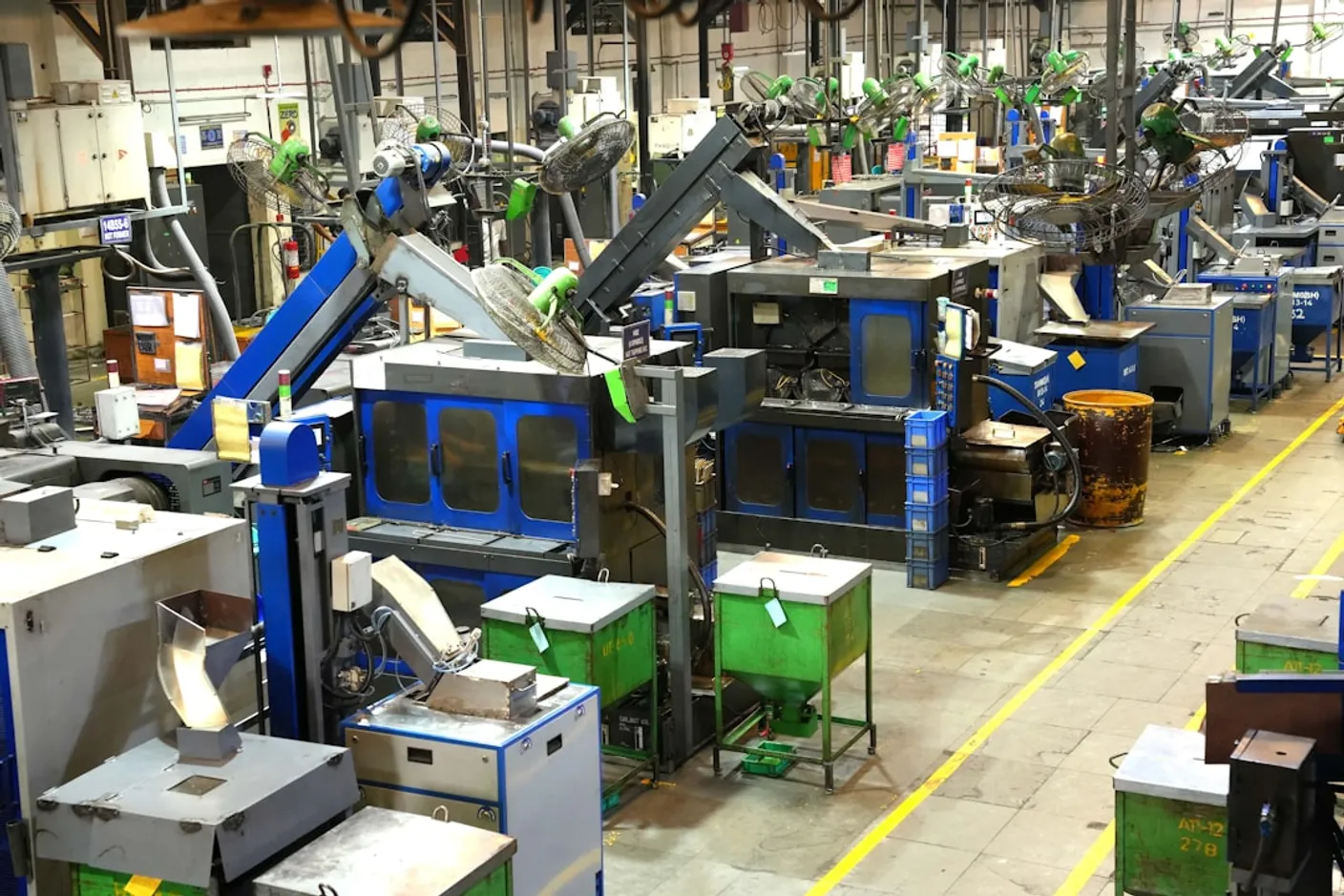
Lean manufacturing can cut operating costs by 15 to 30 percent while simultaneously improving product quality and delivery times. Originally developed at Toyota in post-war Japan, lean principles have transformed manufacturing across every industry, from furniture makers to pharmaceutical companies. This guide breaks down the five core lean manufacturing principles and provides a practical 90-day roadmap for small-to-mid-sized manufacturers ready to eliminate waste and boost efficiency. You will learn not just what lean manufacturing is, but exactly how to implement it in your facility without costly consultants or massive upfront investments.
The 5 Core Lean Manufacturing Principles
Lean manufacturing rests on five fundamental principles that work together to eliminate waste and maximize value. Understanding each principle is essential before attempting implementation.
1. Define Value from the Customer Perspective
Value is not what you think customers want. It is what they actually pay for. A furniture manufacturer might invest heavily in ornate packaging, but if customers care more about fast delivery and affordable prices, that packaging represents waste. To define value accurately, talk directly to customers through surveys, interviews, and feedback analysis. Ask what product attributes matter most, what problems your product solves, and what they would pay extra for. This customer-first view ensures every process step contributes to something buyers genuinely value.
2. Map Your Value Stream
Value stream mapping documents every step required to transform raw materials into finished products delivered to customers. This includes processing steps, waiting time, transportation, storage, and inspection. The goal is to categorize each activity as either value-adding (customer would pay for it) or non-value-adding (waste). For example, manual inventory checks consume time and labor but add no value to the final product. Automated tracking systems eliminate this waste. A complete value stream map reveals hidden inefficiencies and provides a baseline for improvement.
3. Create Continuous Flow
Once you identify and remove waste, the remaining value-adding steps should flow smoothly without interruption. Bottlenecks, batch processing, and departmental handoffs disrupt flow and increase cycle time. Continuous flow means products move from one operation to the next without waiting. This might require redesigning your production layout, cross-training workers to handle multiple operations, or reducing setup times. The result is shorter lead times, less work-in-process inventory, and faster response to customer demand.
4. Establish Pull Production
Traditional manufacturing pushes products through production based on forecasts. Lean manufacturing pulls products through based on actual customer orders. Pull systems like Kanban use visual signals to trigger production only when downstream operations need more parts, the operating model described in our just-in-time manufacturing guide. This prevents overproduction, one of the most wasteful activities in manufacturing. Pull production requires accurate demand information and rapid changeover capability, but it dramatically reduces inventory holding costs and obsolescence risk.
5. Pursue Continuous Improvement (Kaizen)
Lean is not a one-time project. It is an ongoing commitment to incremental improvement. Kaizen, the Japanese term for continuous improvement, means everyone in the organization constantly looks for ways to work more efficiently. Frontline workers suggest most improvements because they understand processes intimately. Weekly team meetings to review metrics and brainstorm improvements keep momentum going. Small changes compound over time into significant competitive advantages.
Understanding the 7 Types of Waste (Muda)
The Lean Enterprise Institute estimates that waste accounts for up to 95 percent of total production time in traditional manufacturing environments. Lean practitioners identify seven distinct types of waste, known by the Japanese term Muda. Learning to recognize these wastes is the first step toward elimination.
Overproduction means making more than customers have ordered or producing earlier than needed. A furniture shop building 50 chairs when orders exist for only 30 ties up materials, labor, and floor space. Overproduction often masks other problems like unreliable equipment or long setup times.
Waiting occurs whenever materials, information, or people sit idle. Workers waiting for materials, machines waiting for operators, or production lines waiting for quality approval all represent wasted time. Waiting often signals poor scheduling or unbalanced production flow.
Transportation waste involves unnecessary movement of materials or products. Moving parts across the factory floor multiple times, shipping to off-site warehouses, or double-handling materials all consume resources without adding value. Efficient facility layouts minimize transportation, which is where the 5S methodology does most of its work.
Overprocessing happens when you do more work than the customer requires. Excessive quality inspections, overly tight tolerances, or unnecessary features add cost without increasing value. A coffee roaster polishing every bag when customers never see the packaging is overprocessing.
Inventory waste includes excess raw materials, work-in-process, or finished goods. Inventory ties up cash, requires storage space, risks obsolescence, and hides production problems. Lean manufacturers minimize inventory through pull production.
Motion waste refers to unnecessary human movement. Workers walking to fetch tools, bending awkwardly to reach materials, or searching for information waste energy. Ergonomic workstation design and organized tool placement reduce motion waste.
Defects represent the most obvious waste. Scrap, rework, warranty claims, and customer returns consume materials and labor twice. Preventing defects through mistake-proofing (poka-yoke) and process control eliminates this costly waste.
Implementing Lean: Your 90-Day Roadmap
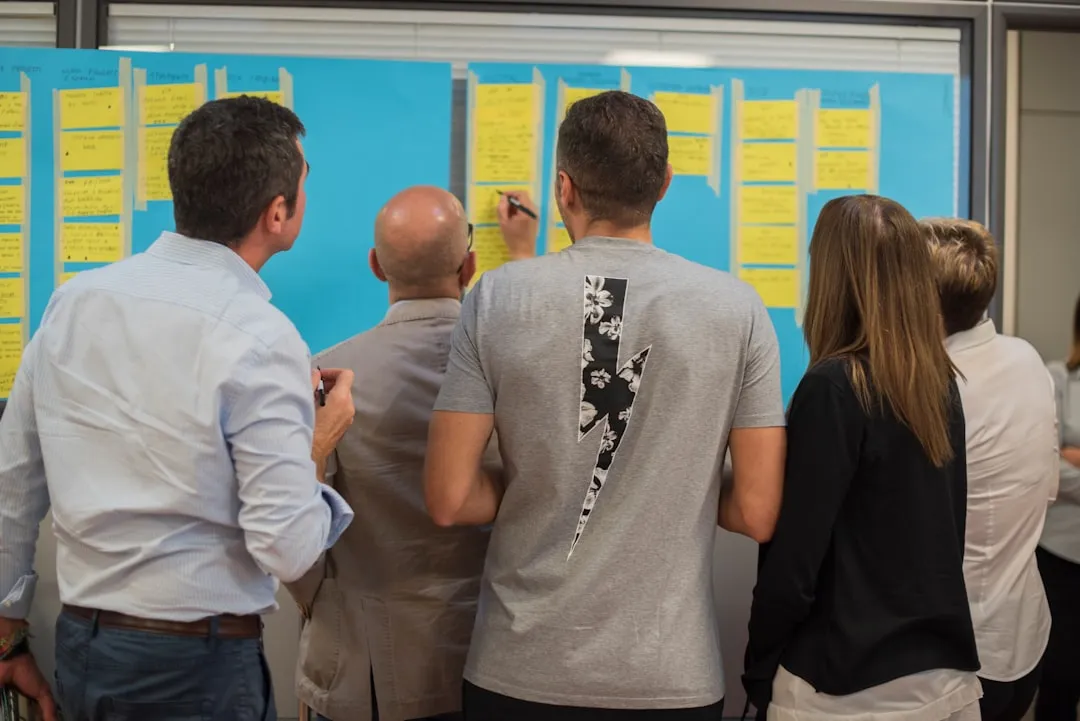
Most manufacturers struggle with lean implementation because they lack a clear starting point. This 90-day roadmap provides a proven path forward without overwhelming your team.
Days 1-30: Assessment and Planning
Form a lean implementation team of three to five people including both management and frontline workers. Select a pilot area such as a single production line or product family rather than attempting plant-wide changes. Map the current state value stream for your pilot area, documenting every process step, wait time, and inventory point. Identify your top three sources of waste based on time consumed, cost impact, or defect rates.
Establish baseline metrics before making changes. Track cycle time from raw material to finished product, defect rate as a percentage of total production, inventory turns per year, and overall equipment effectiveness if applicable. Use simple tools like whiteboards, colored tape on the floor, and paper forms. Expensive software is unnecessary at this stage.
Days 31-60: First Improvements
Implement 5S workplace organization in your pilot area. Sort through materials and tools, keeping only what is needed. Set everything in order with designated locations marked visually. Shine by cleaning equipment and workstations. Standardize procedures for maintaining organization. Sustain the improvements through daily audits.
Remove the identified waste sources one at a time. If waiting time is the problem, balance workload across operations. If excess inventory is the issue, reduce batch sizes and implement pull signals. Train your team on standardized work procedures with clear documentation and visual aids. Hold daily 10 to 15 minute huddles to review yesterday’s performance and today’s priorities.
Track improvements weekly using your baseline metrics. Most manufacturers see 10 to 15 percent efficiency gains in the pilot area during this phase. Document both successes and problems you encounter.
Days 61-90: Refine and Expand
Review pilot results with your team and leadership against a defined set of manufacturing KPIs, with overall equipment effectiveness as the headline number for equipment-driven lines. Analyze what worked and what did not. Adjust your approach based on lessons learned. Document new standard operating procedures with photos and written instructions so improvements stick.
Plan the rollout to your next production area but resist the temptation to scale too quickly. Rushing expansion before solidifying gains in the pilot area is a common failure mode. Celebrate wins publicly to build momentum and demonstrate leadership commitment.
Modern manufacturers increasingly leverage technology to enable lean principles without manual overhead. Manufacturing operations management software like Controlata automates material consumption tracking and generates pull signals based on actual inventory levels, eliminating spreadsheet management and enabling accurate just-in-time production even in small facilities.
Try Controlata
- Manufacturing inventory management
- Cost calculation
- Production planning
- And much more

Common Lean Implementation Failures (and How to Avoid Them)
Industry Week’s 2024 Lean Manufacturing Survey found that 40 percent of lean implementations fail to deliver expected results. Understanding common failure modes helps you avoid repeating expensive mistakes.
Leadership Not Fully Committed
When executives delegate lean initiatives entirely to middle management without active participation, the effort stalls. Frontline workers correctly interpret this as a low-priority project that will fade away. The CEO or plant manager must attend weekly lean review meetings, ask questions about metrics, and celebrate improvements publicly. Visible leadership commitment signals that lean is core to business strategy, not a temporary program.
Trying to Implement Everything Simultaneously
Enthusiasm often leads manufacturers to launch ten different lean initiatives at once: 5S, kanban, total productive maintenance, value stream mapping, and more. This overwhelms the organization and dilutes focus. Start with one production line or product family. Master the basics in that pilot area before expanding. Building expertise and momentum through focused effort beats scattered activity across the entire plant.
Ignoring Frontline Worker Input
Top-down mandates without input from the people who actually run the equipment guarantee failure. Operators, assemblers, and technicians understand process details that management never sees. They know why certain workarounds exist and which problems cause the most frustration. Frontline workers should suggest 80 percent of improvements. Management’s role is removing obstacles and providing resources, not dictating solutions.
No Measurement System in Place
Some manufacturers pursue lean based on how things “feel” rather than data. Without baseline metrics and ongoing tracking, you cannot prove improvements or identify when gains erode. Establish three to five key performance indicators from day one. Track them weekly using simple charts visible to the entire team. Data transforms opinions into facts and sustains momentum when initial enthusiasm fades.
Reverting to Old Habits After Six Months
Initial improvements often disappear when attention shifts to other priorities. Production pressures lead workers back to familiar methods. Tools migrate from their designated locations. Standard procedures get ignored. Monthly audits and visual management systems sustain gains. Assign accountability for each lean practice and review compliance regularly. Permanent change requires consistent reinforcement.
Key Metrics to Track
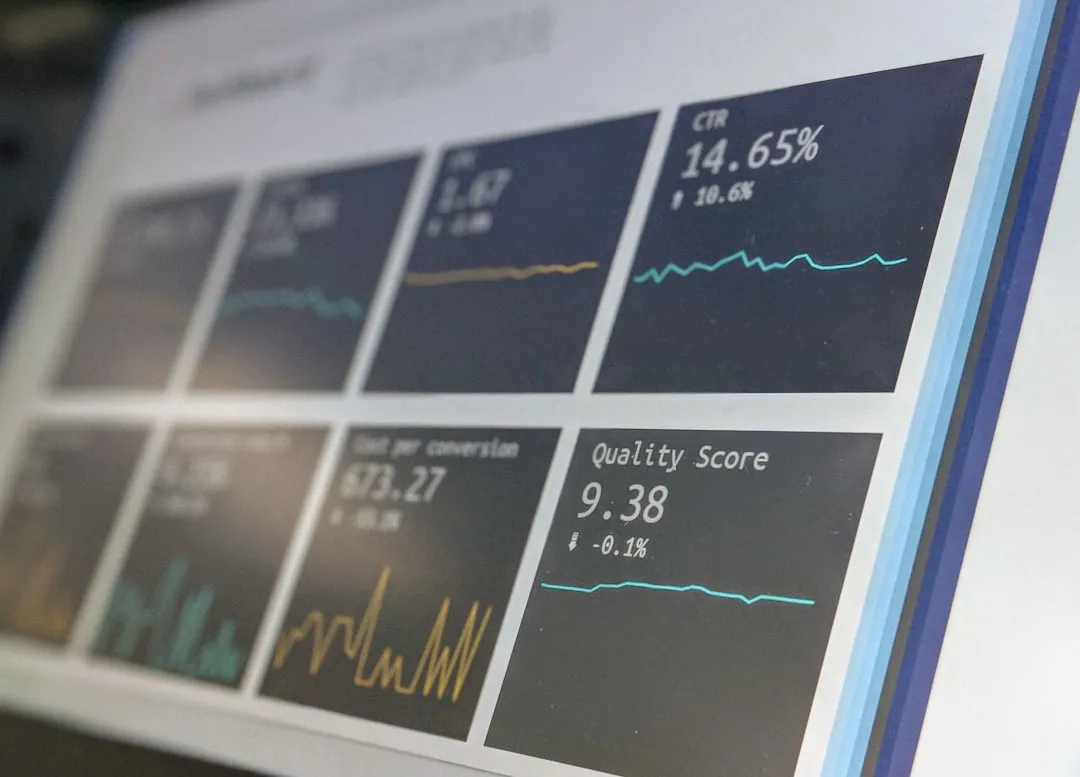
Measuring progress turns lean manufacturing from philosophy into results. Focus on five essential metrics that indicate whether your lean efforts are working.
Overall Equipment Effectiveness (OEE) combines availability, performance, and quality into a single percentage. World-class manufacturers achieve 85 percent or higher OEE. Calculate it by multiplying availability (percentage of scheduled time equipment actually runs) times performance (actual speed versus theoretical maximum) times quality (percentage of good parts produced). OEE below 60 percent indicates significant improvement opportunity.
Inventory Turns measures how many times per year you sell and replace inventory. Calculate it by dividing cost of goods sold by average inventory value. Discrete manufacturers should target 12 or more turns annually. Higher turns indicate less cash tied up in materials and faster response to demand changes.
First Pass Yield (FPY) tracks the percentage of products manufactured correctly the first time without rework or scrap. Target 99 percent or higher. Low FPY indicates quality problems that waste materials and labor. Track FPY by product line to identify problem areas.
Cycle Time measures total time from starting production to finished product. Benchmark your current cycle time on day one, then track changes monthly. A 30 to 50 percent reduction within 12 months is achievable through waste elimination and flow improvements.
5S Audit Score maintains workplace organization discipline. Conduct monthly audits rating each work area on sort, set in order, shine, standardize, and sustain. Target 90 percent or higher compliance. Declining scores predict erosion of other lean practices.
Cloud-based manufacturing systems provide real-time dashboards that eliminate manual data collection and calculation. Instant visibility into these metrics enables faster response when performance deviates from targets.
Lean Manufacturing in the Digital Age
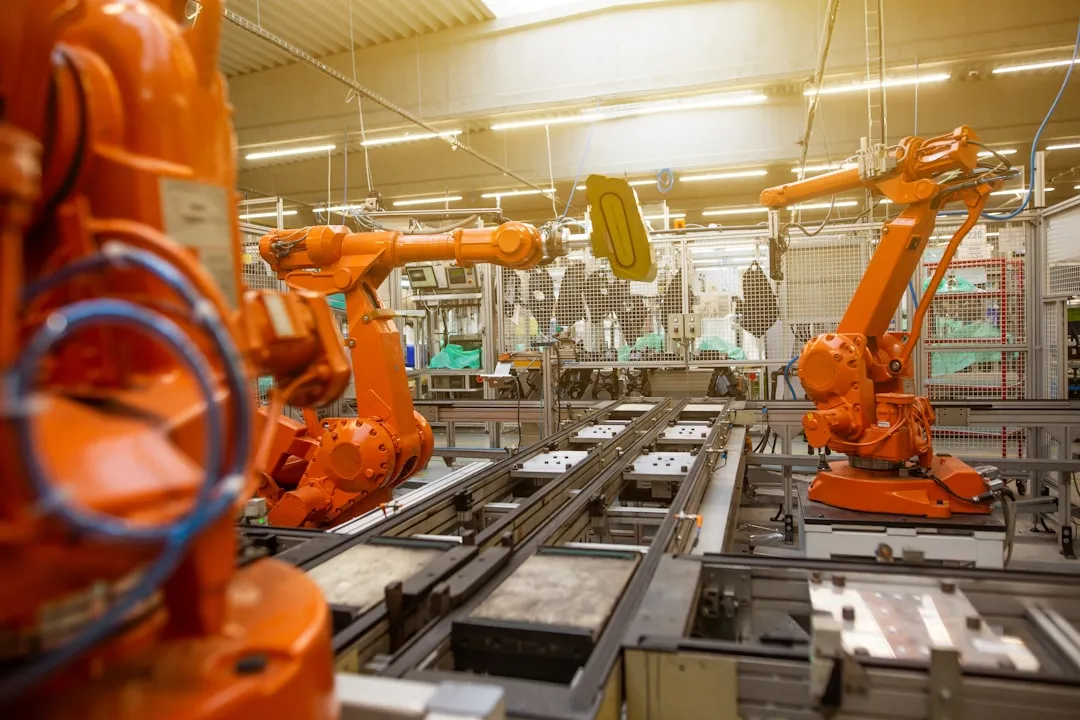
Technology amplifies lean principles when applied strategically. The goal is enabling better lean practices, not replacing them with expensive automation.
IoT sensors for real-time monitoring cost between $50 and $200 per device and track machine uptime, cycle counts, and environmental conditions. Data flows automatically to dashboards that calculate OEE without manual data collection. Downtime alerts notify supervisors instantly rather than hours later through shift reports. Most manufacturers achieve payback within three to six months through faster problem response and better capacity utilization.
Automated inventory tracking through barcode or RFID systems eliminates manual counts and spreadsheet updates. Workers scan materials as they consume them, triggering automatic reorder signals when stock hits minimum levels. This enables accurate pull production without the administrative burden that kills lean initiatives in smaller facilities. Entry-level systems start around $2,000 for software plus scanners.
Digital visual management replaces paper charts with TV displays showing real-time production metrics. The entire team sees current performance, hour-by-hour targets, and problem alerts without walking to a bulletin board. Typical cost runs $500 to $2,000 per production line including display hardware and software subscriptions. The transparency drives accountability and faster problem resolution.
AI-powered quality control uses computer vision to inspect 100 percent of products versus traditional sample-based inspection. Defects get caught immediately rather than reaching customers or creating batches of scrap. This technology remains expensive for most small manufacturers at $50,000 and up, but costs are dropping rapidly. Early adopters in high-volume, high-mix environments report payback within 18 months.
The balance between lean and technology matters. Start with manual processes to understand the work and identify waste. Prove the value of improvements through pilot projects. Then automate proven processes to sustain gains and scale improvements. Technology without lean thinking just automates waste faster.
Conclusion
Lean manufacturing is a journey requiring commitment, measurement, and continuous improvement. Start with a focused 90-day pilot in one production area. Track metrics from day one to prove results. Involve frontline workers in identifying and solving problems. Most importantly, combine lean principles with modern tools that eliminate manual waste. Sustainable production management requires both disciplined lean thinking and smart technology like Controlata that tracks materials, calculates accurate costs, and enables pull production without spreadsheet overhead. Small improvements compound into lasting competitive advantages.