It’s 4 PM on a Friday, and your production manager delivers bad news: the customer’s order won’t ship on Monday as promised. The culprit? A scheduling conflict that nobody saw coming. Across manufacturing facilities worldwide, poor production scheduling costs companies thousands in rush shipping, overtime wages, and lost customer trust. Production scheduling is the operational blueprint that prevents these failures by coordinating what gets made, when, and with which resources. This guide covers everything from core concepts to practical implementation strategies that help manufacturers deliver on time, every time.
What Is Production Scheduling in Manufacturing?
Production scheduling is the process of organizing manufacturing activities to determine what products to make, when to make them, and which resources to allocate to each task. Unlike production planning, which sets long-term strategic goals and capacity targets, production scheduling focuses on the tactical execution: assigning specific work orders to machines, coordinating labor shifts, and sequencing operations to meet customer deadlines.
The distinction matters because planning asks “should we expand our product line?” while scheduling asks “which machine runs this order tomorrow morning?” Planning operates in months and quarters; scheduling operates in days and hours. Both are essential, but scheduling directly determines whether products ship on time.
The financial impact of scheduling extends far beyond operational efficiency. Consider a mid-sized furniture manufacturer missing a single retail deadline due to scheduling chaos. The immediate costs stack up quickly: $8,000 in expedited shipping, $12,000 in overtime wages to catch up, and a 15% penalty clause worth $25,000. That’s $45,000 lost on one order because the schedule couldn’t accommodate a machine breakdown.
Beyond these direct costs, poor scheduling erodes customer relationships. Research from supply chain studies consistently shows that on-time delivery is the top factor in B2B customer retention. When schedules fail repeatedly, customers find more reliable suppliers. Even winning them back costs 5 to 25 times more than retaining them in the first place.
Effective production scheduling prevents these failures by creating a realistic, coordinated plan that accounts for machine capacity, material availability, labor constraints, and customer priorities. It’s the difference between reactive firefighting and proactive control of your shop floor operations.
Core Components of an Effective Production Schedule
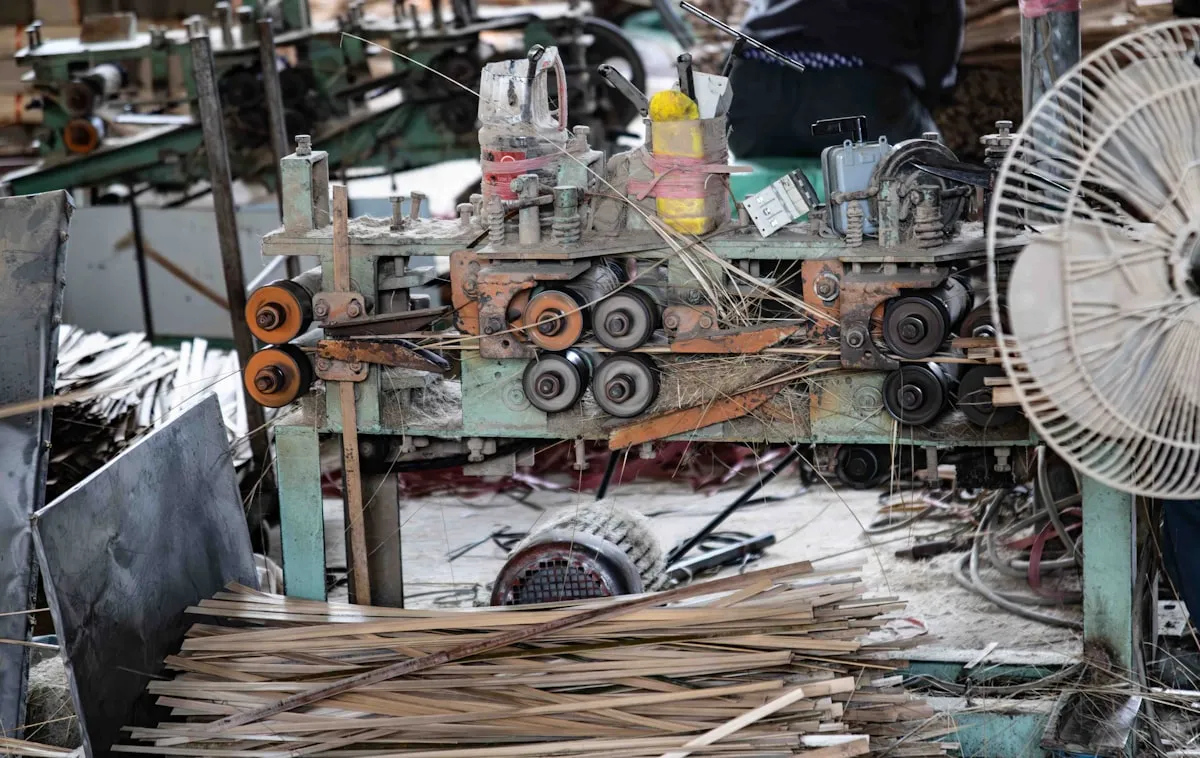
A production schedule is more than a calendar with dates. It’s a comprehensive system that coordinates multiple interconnected elements to keep manufacturing operations running smoothly. Understanding these core components helps you build schedules that actually work on the factory floor.
Demand forecasting and order management
Everything starts here. You need accurate predictions of what customers will order and when, based on historical sales patterns, confirmed orders, and market trends. Without this, you’re either overproducing and tying up capital in excess inventory, or underproducing and disappointing customers with stockouts.
Capacity planning
This is what your facility can realistically produce within a given timeframe. Understanding machine capabilities (a CNC mill can produce 50 parts per hour), labor availability (three shifts versus two), and material throughput limits is essential. Overestimating capacity leads to missed deadlines; underestimating it leaves profitable orders on the table.
Resource allocation and sequencing
The critical question here is: which jobs run on which machines in what order? Smart sequencing minimizes changeover time. For example, a paint line scheduling similar colors consecutively reduces cleaning time between batches. Poor sequencing creates bottlenecks where one machine sits idle while another is overloaded.
Timeline and milestone tracking
A good schedule needs structure. Each operation needs a start time, duration, and completion deadline. Milestones mark critical checkpoints such as when a batch must be ready for assembly or when finished goods must ship. These timestamps keep everyone accountable and surface delays before they cascade into bigger problems.
Quality checkpoints integration
Only acceptable work should move forward. Building quality gates into the schedule prevents the costly scenario where a defect discovered at final inspection requires scrapping or reworking an entire batch. Scheduled quality checks at key points catch issues early when they’re cheapest to fix.
Buffer time for variability
Manufacturing never goes exactly as planned. Machines break down, materials arrive late, or a quality issue requires rework. Schedules without buffers are brittle, they shatter at the first unexpected event. Smart schedulers build in protective capacity, typically 10-20% depending on process variability, to absorb disruptions without missing customer commitments.
Try Controlata
- Manufacturing inventory management
- Cost calculation
- Production planning
- And much more

The Production Scheduling Process: 5 Essential Stages
Creating an effective production schedule follows a structured process that transforms customer demand into executable work orders. Each stage builds on the previous one, and skipping steps or rushing through them creates weak points where schedules break down.
Stage 1: Planning
The process starts with analyzing customer demand, current orders, and sales forecasts to determine what needs to be produced. This stage also includes capacity assessment (can our facility handle this volume?) and budgeting for materials, labor, and overhead costs. The most common failure point here is overoptimistic capacity assumptions. Manufacturers calculate theoretical capacity (24/7 runtime) rather than effective capacity (accounting for changeovers, maintenance, and normal downtime). This creates schedules that look perfect on paper but fail immediately in practice.
Stage 2: Routing
The most efficient path each product takes through your shop floor gets defined here. A chair might require cutting, assembly, sanding, painting, and packaging in that sequence. Routing decisions should minimize material handling time and avoid bottlenecks. The failure mode here is ignoring physical constraints. Scheduling two operations on opposite ends of the factory back-to-back creates unnecessary transport time and increases the risk of damage during handling.
Stage 3: Scheduling
Specific dates, times, and resources get assigned to each operation. You’re deciding that Order #1247 starts on Machine 3 at 2 PM Tuesday and completes by 6 PM Wednesday. This is where scheduling methods like forward scheduling (start ASAP) versus backward scheduling (work back from the deadline) come into play. The critical failure point is not accounting for dependencies. If painting requires parts from two different assembly lines, the schedule must ensure both are ready simultaneously.
Stage 4: Dispatching
Work orders go out to production teams with clear instructions on what needs to be done, by when, and to what quality standard. Specific work instructions prevent confusion and rework. The failure mode here is inadequate communication. If the shop floor doesn’t understand priorities, they’ll work on whatever’s convenient rather than what’s critical for customer deadlines.
Stage 5: Execution and monitoring
Actual progress gets tracked against the plan and real-time adjustments get made as needed. This requires visibility into what’s happening right now: which orders are complete, which are delayed, and why. Modern manufacturers use production tracking software for this, but even simple status boards work if updated reliably. The failure point is delayed reaction to problems. If you discover a delay at the end of a shift, you’ve lost hours you could have used to adjust downstream operations.
Production Scheduling Methods: Choosing the Right Approach
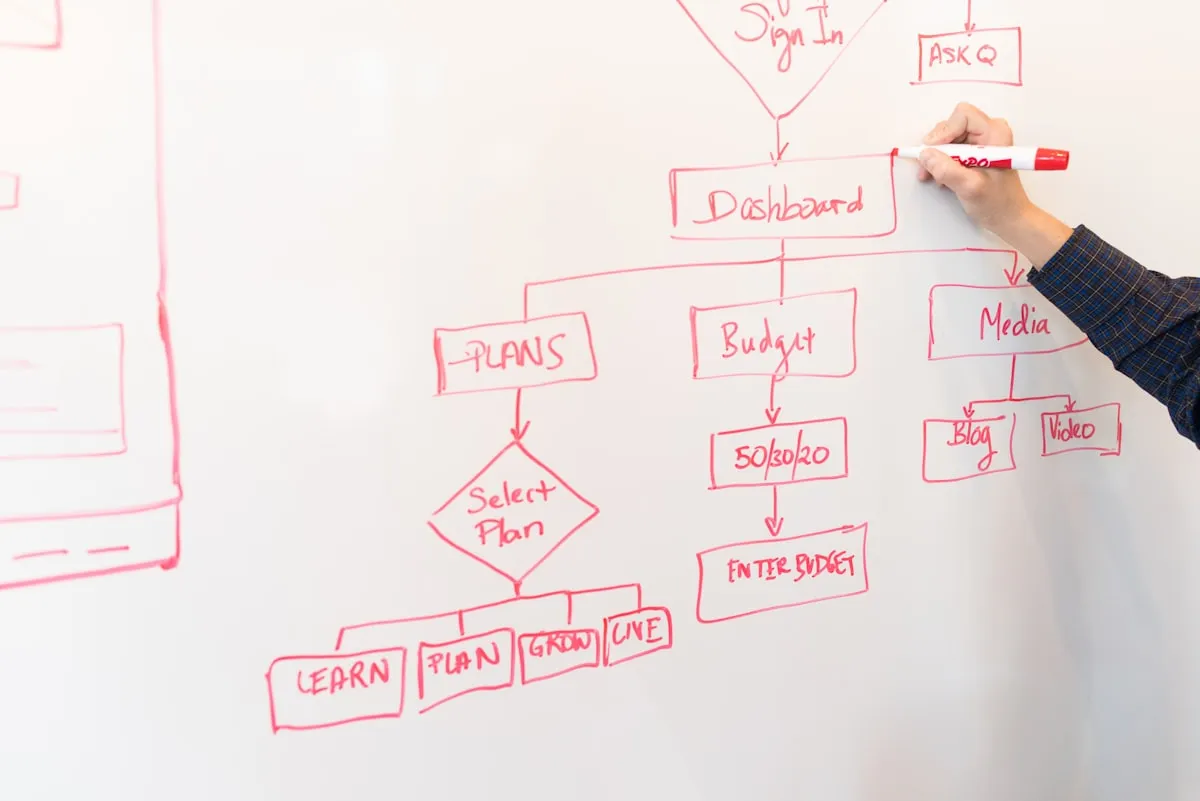
No single scheduling method works for every manufacturer. The right approach depends on your production type, customer expectations, and operational constraints. Understanding these methods helps you choose the approach that matches your specific situation.
Forward scheduling starts production as soon as materials and capacity become available, working forward to determine the completion date. This method maximizes equipment utilization and works well for make-to-stock environments where you’re building inventory for future sales. A food manufacturer producing canned goods for retail distribution benefits from forward scheduling because shelf life allows flexibility in completion dates, and keeping production lines running continuously minimizes per-unit costs.
Backward scheduling starts with the customer’s required delivery date and works backward to calculate when production must begin. This method ensures you meet deadlines without producing too early and tying up capital in finished inventory. Custom furniture manufacturers rely heavily on backward scheduling. When a customer orders a dining set for delivery in six weeks, you work backward through finishing (3 days), assembly (2 days), cutting (1 day), and material procurement (10 days) to determine you must start cutting parts in 30 days.
Finite capacity scheduling only schedules what your facility can realistically produce given actual constraints on machines, labor, and materials. Unlike infinite capacity planning (which schedules demand and worries about constraints later), finite capacity creates achievable schedules that production teams can execute. This method suits manufacturers with expensive equipment where utilization rates directly impact profitability.
Just-in-time (JIT) scheduling produces items only when needed, minimizing inventory throughout the production process. This method requires exceptional coordination with suppliers and works best when you have reliable partners and predictable demand. Automotive manufacturers pioneered JIT, scheduling component delivery within hours of assembly to minimize warehouse costs.
Hybrid approaches combine methods for different product lines or situations. You might use forward scheduling for your standard products (building inventory during slow periods) while using backward scheduling for custom orders with firm deadlines. A metal fabrication shop might run standard brackets and panels on forward scheduling to keep machines busy, while custom architectural elements get backward scheduled from customer deadlines.
The decision matrix is straightforward: use backward scheduling when deadlines are firm, forward scheduling when maximizing utilization matters more than timing, and finite capacity planning when you need realistic promises to customers.
Common Production Scheduling Challenges (and Solutions)

Even well-designed schedules face predictable challenges that can derail production if you’re not prepared. Understanding these common issues and their solutions helps you build more resilient scheduling systems.
Sudden demand changes disrupt even the best schedules. A customer doubles their order, or a canceled contract frees up unexpected capacity. The solution is building buffer capacity and maintaining flexible scheduling systems. According to a Deloitte survey on smart manufacturing, manufacturers implementing smart scheduling solutions report up to 15% unlocked capacity, creating headroom to absorb demand fluctuations without missing deadlines.
Machine breakdowns stop production and create cascading delays downstream. Food manufacturers face particularly acute challenges here, perishable ingredients can’t wait for repairs. The solution combines preventive maintenance scheduling (service machines during planned downtime rather than waiting for failures) with cross-training operators to run multiple machines, allowing quick reallocation when equipment goes down.
Material shortages halt production regardless of how well you’ve scheduled everything else. Automotive manufacturers scheduling around just-in-time delivery windows learned this painfully during recent supply chain disruptions. The solution is coordinating closely with suppliers, sharing production schedules so they can anticipate your needs, and maintaining safety stock for critical components with long lead times or unreliable sources.
Data silos create information delays that make schedules obsolete before execution begins. When scheduling lives in Excel while inventory data sits in your ERP system, you’re making decisions on stale information. The solution is integrated systems where schedule changes automatically update inventory requirements and vice versa.
Overcommitting capacity happens when schedulers assume theoretical capacity rather than effective capacity. The solution is finite capacity planning that accounts for changeovers, maintenance, quality checks, and normal variability in production rates. Promise what you can realistically deliver, not what’s theoretically possible.
From Spreadsheets to Software: Making the Transition
Many manufacturers start production scheduling in Excel spreadsheets. This works initially, but as complexity grows (more products, more customers, more variables), spreadsheets become error-prone and time-consuming. Making the transition to dedicated scheduling software delivers measurable ROI, but the path requires careful planning.
Step 1: Audit your current process
Document what works and what breaks in your existing scheduling approach. Track how much time goes into creating and updating schedules, how often you miss deadlines, and what scheduling failures cost in rush shipping and overtime. This baseline becomes your ROI justification later.
Step 2: Calculate the cost of scheduling failures
One manufacturer we worked with discovered they spent $127,000 annually on expedited shipping due to scheduling conflicts. Add overtime wages (weekend shifts to catch up from delays), inventory carrying costs (from overproduction when schedules aren’t optimized), and the opportunity cost of lost sales when capacity is misallocated. These numbers typically far exceed software costs.
Step 3: Define requirements
What must your scheduling system do? Common requirements include integration with existing ERP systems, real-time visibility into shop floor status, capacity planning tools, and mobile access for production managers. Also consider which scheduling methods you need to support based on the previous section.
Step 4: Start with a pilot
Don’t try to move your entire operation at once. Choose one production line or product family to schedule in the new system. Our MRP implementation guide walks through the same staged approach for the wider system rollout. This limits risk and creates a proving ground where you can refine processes before full deployment.
Step 5: Measure ROI and scale
Track the same metrics from your baseline audit. The Deloitte survey mentioned earlier found that manufacturers implementing smart scheduling solutions reported 20% improvement in employee productivity. Calculate your time savings (hours saved weekly × hourly rate), avoided rush costs, and reduced inventory carrying costs. Once ROI is clear, expand to additional production areas.
Manufacturing scheduling software like Controlata helps manufacturers make this transition by connecting production planning with real-time inventory tracking and bill of materials management. Instead of manually updating spreadsheets when materials arrive or production completes, the system handles updates automatically, ensuring schedules always reflect current reality.
Conclusion
Production scheduling transforms manufacturing chaos into controlled, predictable operations. The difference between on-time delivery and missed deadlines often comes down to how well you coordinate resources, sequence operations, and respond to disruptions. Whether you’re using backward scheduling for custom orders or forward scheduling for inventory products, the principles remain constant: understand your capacity, build in buffers, and maintain visibility into what’s happening right now. Scheduling is also the main lever on manufacturing lead time. Start by assessing your current scheduling process and identifying the biggest pain points. For manufacturers ready to move beyond spreadsheets, Controlata offers an integrated approach that connects scheduling with inventory and production management in one system.